


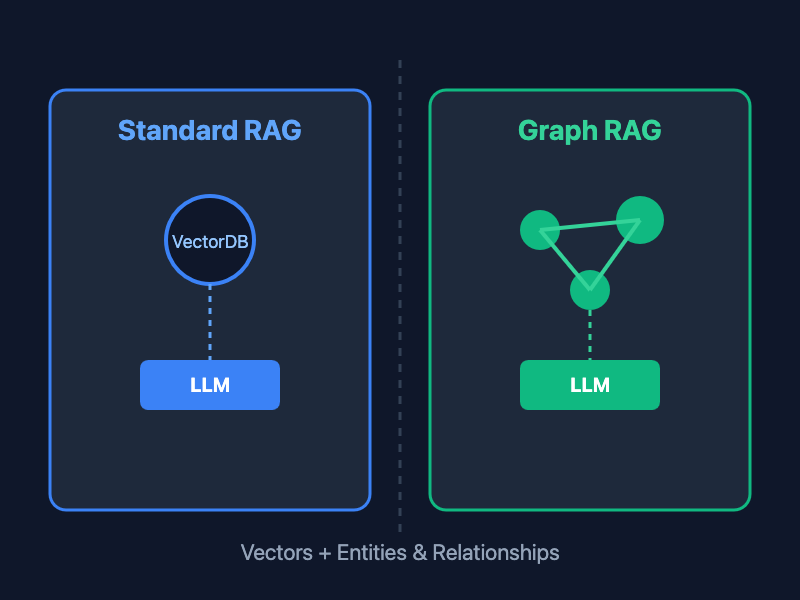
Standard RAG relies purely on vector similarity, often missing complex relationships across disparate documents. Graph RAG pairs Knowledge Graphs with vector embeddings to extract entities, map explicit relationships, and perform multi-hop reasoning. Discover how Graph RAG solves context fragmentation in modern AI enterprise applications. #RAG #GraphRAG #KnowledgeGraph #GenAI #LLMs #AI #Neo4j #VectorSearch #AIArchitecture #MachineLearning #TechBlog
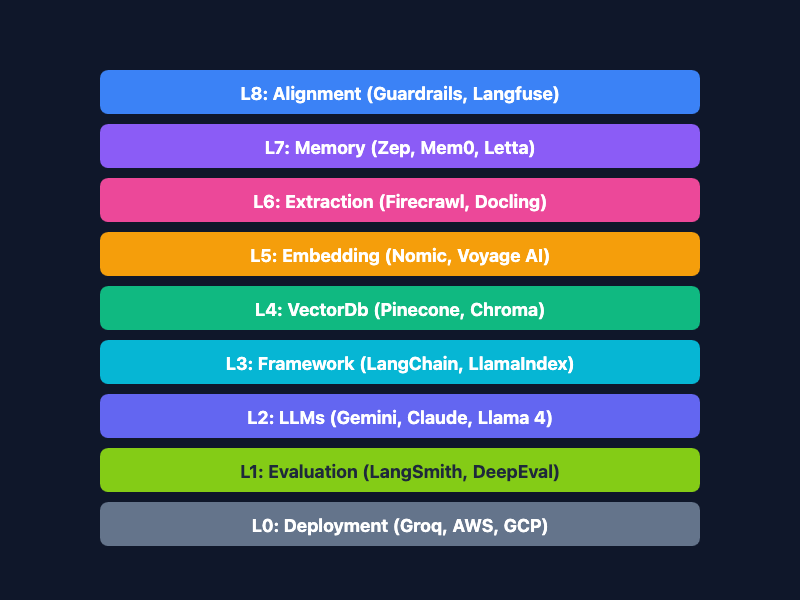
Agentic RAG transforms basic context retrieval into autonomous, reasoning-driven AI systems. Explore the complete 9-layer Agentic RAG tech stack—from cloud deployment and LLM reasoning engines to vector databases, dynamic memory, data extraction, and guardrail alignment. #AgenticRAG #RAG #AI #GenAI #LLMs #VectorSearch #LangChain #LlamaIndex #MachineLearning #TechStack #AIArchitecture #SoftwareEngineering
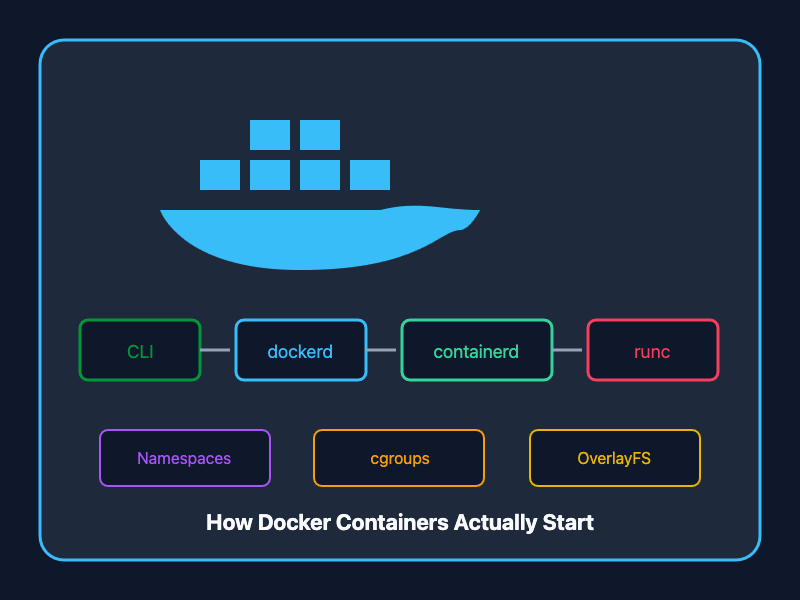
Ever wondered what actually happens behind the scenes when you execute a simple docker run command? From the Docker CLI and daemon (dockerd) to containerd, runc, Linux namespaces, cgroups, and OverlayFS—here is the ultimate deep dive into how Docker creates, isolates, and executes containers under the hood. #Docker #DevOps #Containers #Linux #CloudNative #SysAdmin #Kubernetes #Containerd #Runc #SoftwareEngineering #SystemArchitecture #DevOpsLife
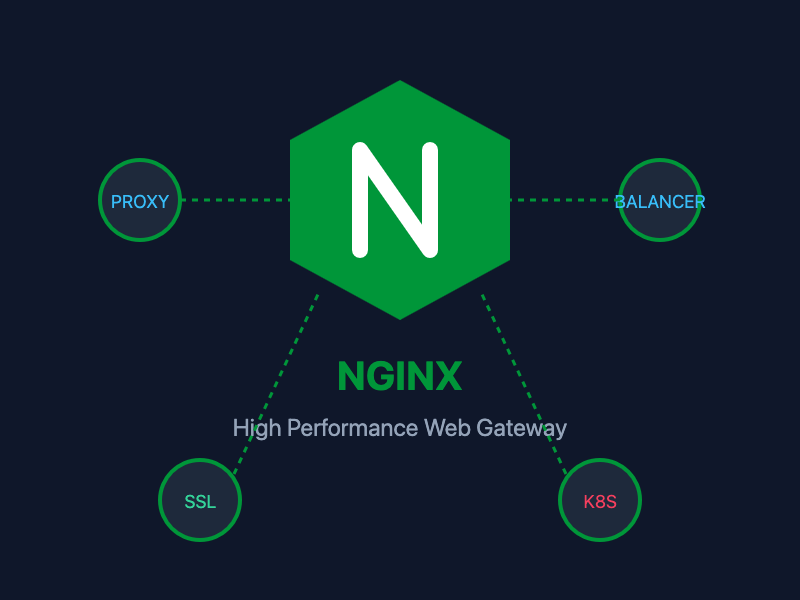
NGINX is the powerhouse behind high-performance web applications and modern cloud architectures. From reverse proxying and load balancing to API gateway routing and Kubernetes ingress, learn the top 10 NGINX use cases every DevOps engineer and full-stack developer must know. #NGINX #DevOps #WebArchitecture #Microservices #CloudNative #LoadBalancing #APIGateway #SysAdmin #Kubernetes
Learn how to seamlessly integrate Laravel and React to build scalable, full-stack web applications. This complete guide covers setting up robust RESTful APIs with Laravel, building dynamic front-end user interfaces with React, state management, and modern development best practices. #Laravel #ReactJS #FullStack #WebDevelopment #PHP #JavaScript #APIDevelopment #TechBlog
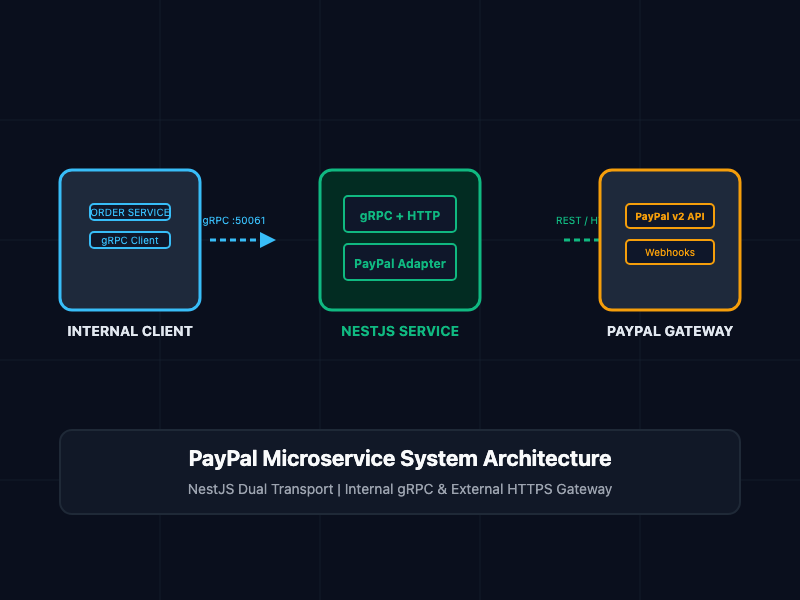
Integrating payment gateways into distributed microservices requires decoupled communication models and strict protocol separation. This technical guide explains how to implement PayPal in a microservices architecture using NestJS, gRPC, and Docker. Learn Proto contracts, run dual HTTP and gRPC transport layers in a single process, handle PayPal v2 checkout orders, and orchestrate containerized services. #NestJS #gRPC #Microservices #Docker #PayPal #Backend #Nodejs #APIs #SoftwareArchitecture
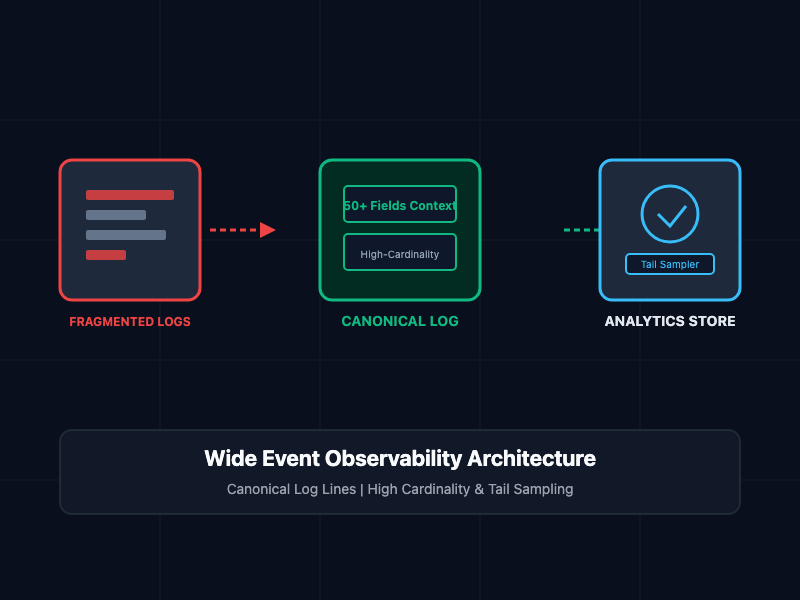
Traditional logging is broken for modern microservices. Scattering disconnected string logs across distributed systems leads to context fragmentation and expensive telemetry bills. This technical guide explains how to transition from legacy log statements to Wide Events and Tail Sampling. Learn how high-cardinality, high-dimensionality event records restore visibility and cut storage overhead. #Observability #DevOps #SRE #Logging #DistributedSystems #OpenTelemetry #WideEvents #FinOps #Backend
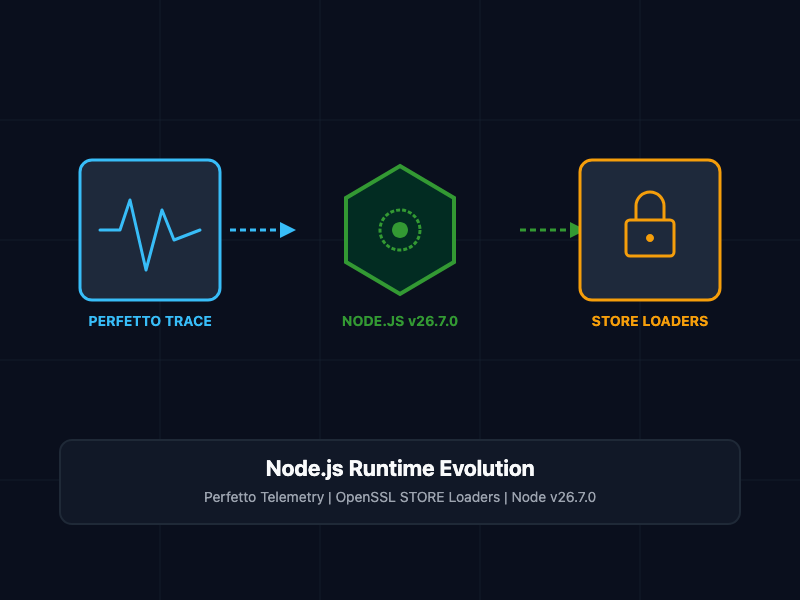
Node.js v26.7.0 Current is officially available, bringing major low-level performance and telemetry enhancements. This technical guide explores the key semver-minor additions, including native Perfetto tracing integration, crypto private key loading via OpenSSL STORE loaders, Symbol.dispose support in ModuleHooks, and expanded test runner coverage flags. #Nodejs #Node26 #JavaScript #BackendDevelopment #Perfetto #Crypto #WebDev #SoftwareEngineering #DevOps #Testing
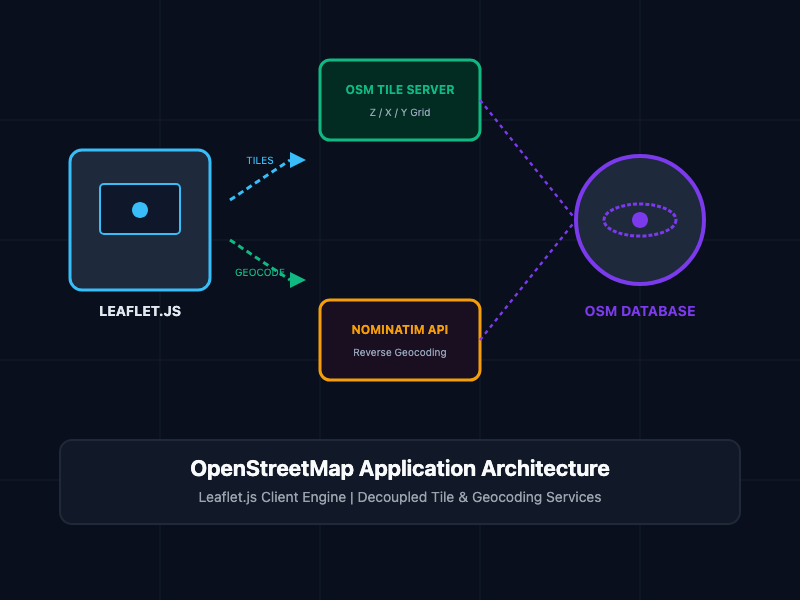
Proprietary mapping APIs like Google Maps enforce aggressive billing thresholds and data tracking constraints. OpenStreetMap (OSM) provides a privacy-first, open-source alternative for rendering interactive maps and spatial queries. This hands-on guide explains how to deploy OSM using Leaflet.js, query spatial data via Overpass API, and implement Nominatim geocoding in web applications. #OpenStreetMap #OSM #LeafletJS #GIS #WebDev #OpenSource #JavaScript #Geocoding #MappingAPI #Frontend
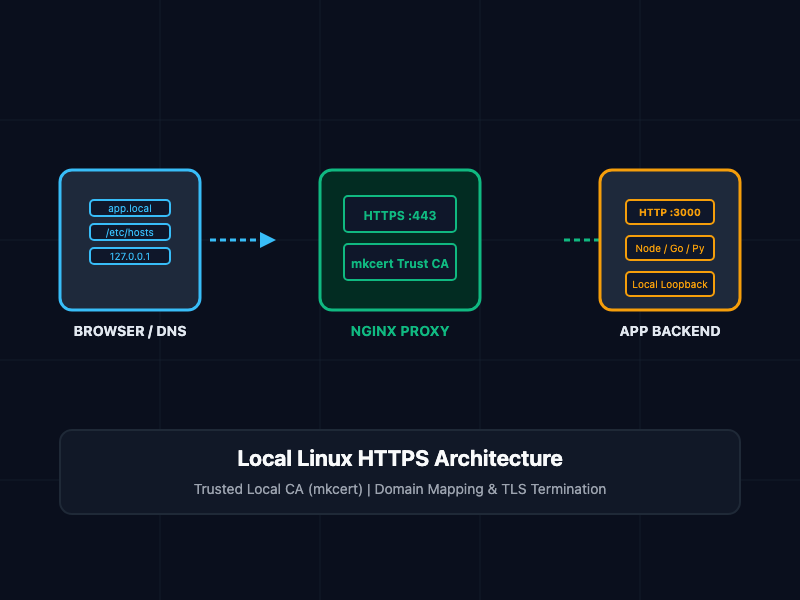
Local web development using HTTP or raw localhost IP addresses introduces browser security warnings and behavior discrepancies compared to production. This technical guide explains how to configure custom local domain names with trusted HTTPS SSL certificates on Linux using mkcert, local DNS overrides via /etc/hosts, and an Nginx reverse proxy. #Linux #HTTPS #SSL #SysAdmin #DevOps #Nginx #WebDev #LocalDevelopment #Security #OpenSSL